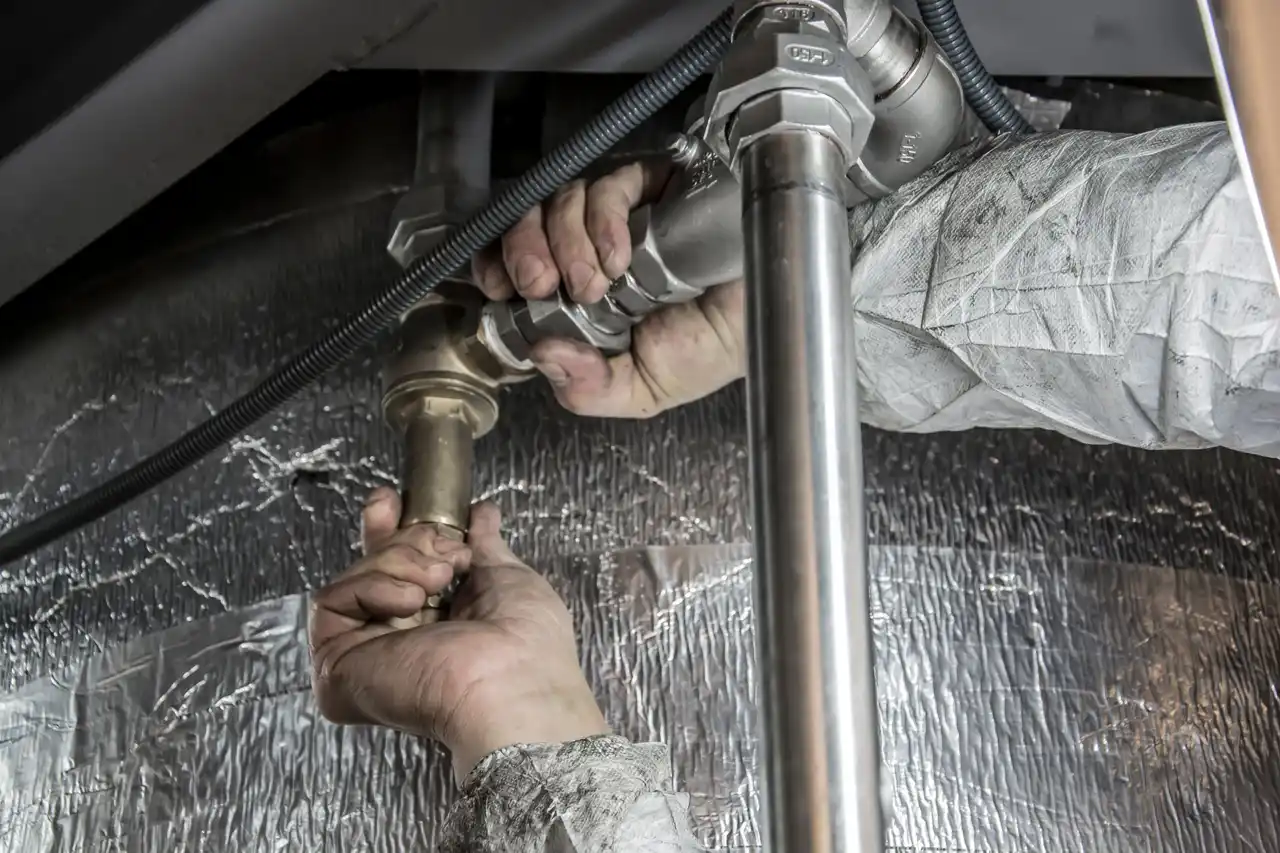
New anode rod
Matched to tank and water chemistry
Anode Rod Replacement Meridian MS is the fastest way to stop a steel tank from rusting from the inside out. If your water smells like rotten eggs, your hot water pressure has dropped, or your heater is past the five-year mark, the sacrificial rod inside is likely spent. We pull the old rod, flush the sediment, and install a fresh magnesium or aluminum anode the same day. One visit, and your tank gets years of corrosion protection back.
Every anode rod replacement includes the new rod, the labor to pull and install it, a sediment flush, and a basic safety check. If we find a failing TPR valve, element, or dip tube, we quote that separately so you can decide.
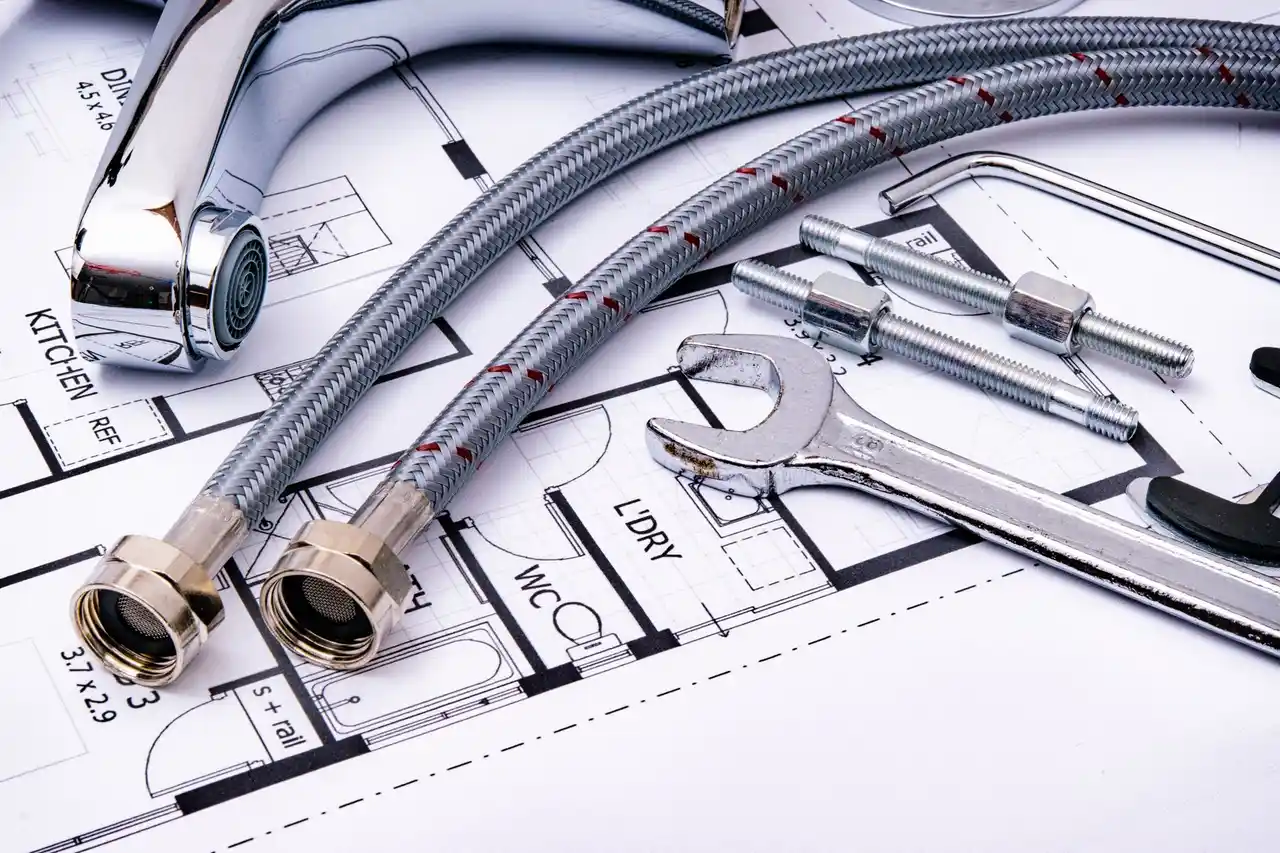
We replace spent anode rods in residential tanks across Meridian and flush the sediment that shortens their life. Most homes get the job done in a single visit.
We service larger tanks for restaurants, apartments, and offices in Meridian, scheduling around your operating hours. Anode checks and flushes keep hot water steady during peak demand.
Anode rod replacement Meridian MS is a tank-preservation service that swaps the sacrificial metal rod inside your water heater before the steel shell starts to corrode. That rod, usually magnesium or aluminum, attracts corrosive minerals in the water so the tank walls do not have to. Once it is consumed, rust attacks the lining, and a pinhole leak is not far behind. We drain the tank, break the rod loose with a pipe wrench, flush the sediment, and torque in a new rod with fresh Teflon tape.
Meridian water runs hard, and the calcium in it eats anode rods faster than in softer-water cities. Most tanks here need a new rod every three to five years, not the six or seven many homeowners expect. If you have noticed a sulfur smell in the hot side only, or your heater is making popping sounds from sediment buildup, that is your cue. Our water heater anode rod service Meridian MS includes a full tank inspection while we are in there, so you know exactly what shape the rest of the unit is in.
A fresh anode rod is the cheapest way to keep a steel tank from rusting inside out.
Every job follows the same five steps, whether it is a 40-gallon Rheem in Northeast Meridian or a commercial Bradford White in a Downtown Meridian restaurant.
You call +16015310808 or book online. We ask the tank age, brand, and symptoms, then quote a flat range before we roll. Most anode rod jobs in Meridian are scheduled same-day or next-day. No diagnostic fee if you approve the work.
We kill the gas or flip the breaker, close the cold inlet, and connect a hose to the drain valve. Draining a 50-gallon tank takes 10 to 15 minutes. We open a hot tap upstairs to break the vacuum so it flows faster.
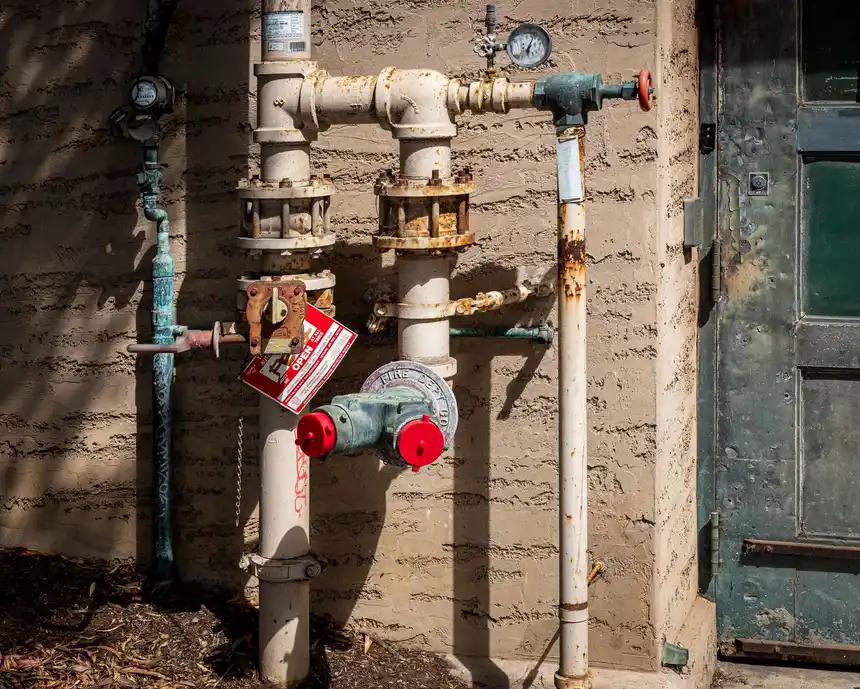
The anode sits under the hex head on top of the tank. We use a pipe wrench and, on stubborn units, a breaker bar with a cheater pipe. A seized rod can take 20 minutes of steady pressure. We never force it hard enough to crack the tank port.
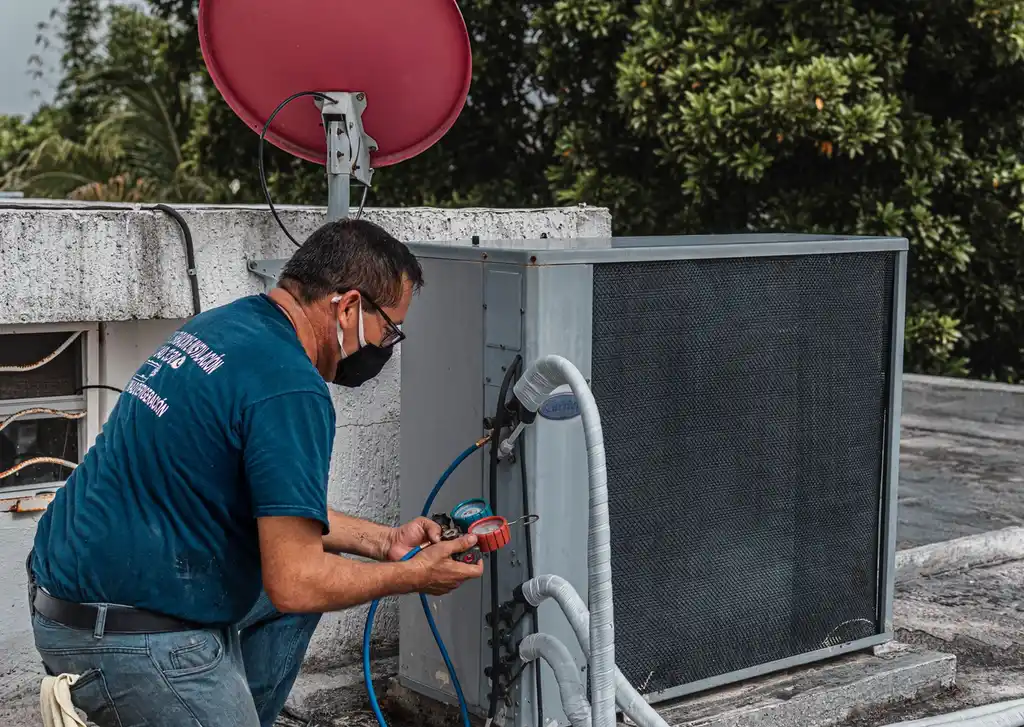
With the rod out, we flush sediment through the drain valve until the water runs clear. We scope the tank interior with an inspection camera, check the dip tube and heating element, and test the TPR valve with a pressure gauge. Any issue gets flagged before we button up.

We wrap the new rod threads with Teflon tape, torque it to spec, refill the tank, and bleed air from every hot tap. Then we fire the burner or element and confirm recovery. The whole visit runs 60 to 90 minutes for a standard residential tank.
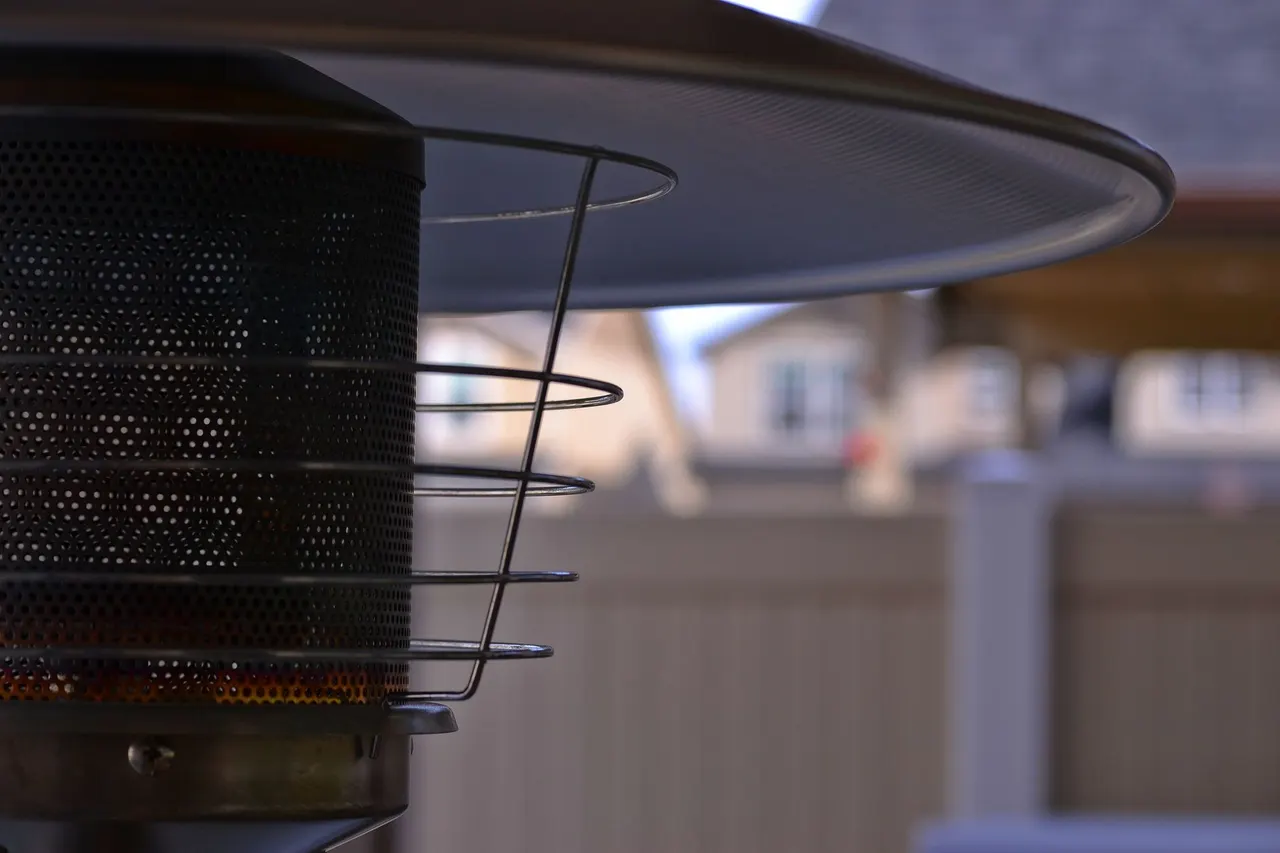
Breaking loose anode rods that have been seated in a Meridian tank for years. A cheater pipe gives the leverage without cracking the tank port.
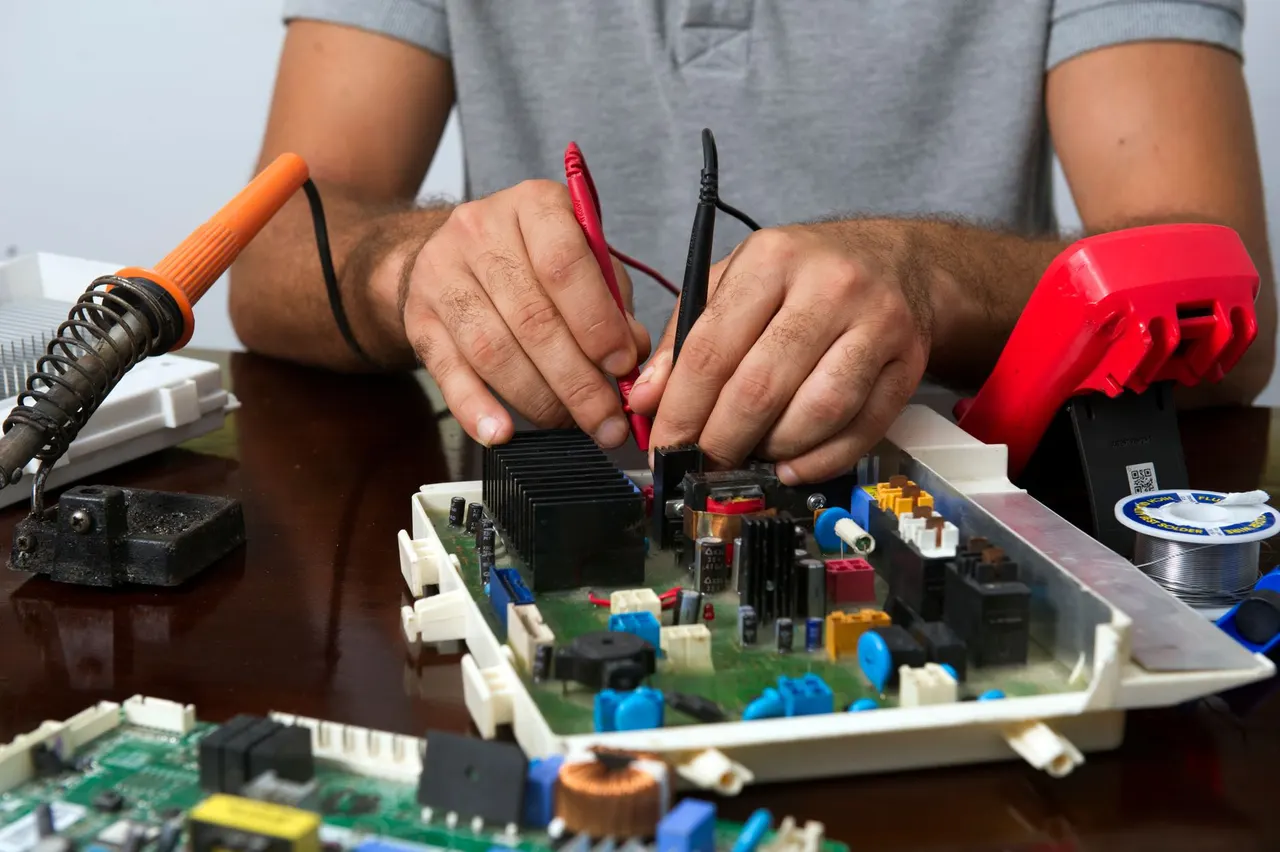
Scoping the inside of the tank to check the lining, dip tube, and element for corrosion before we close it up.
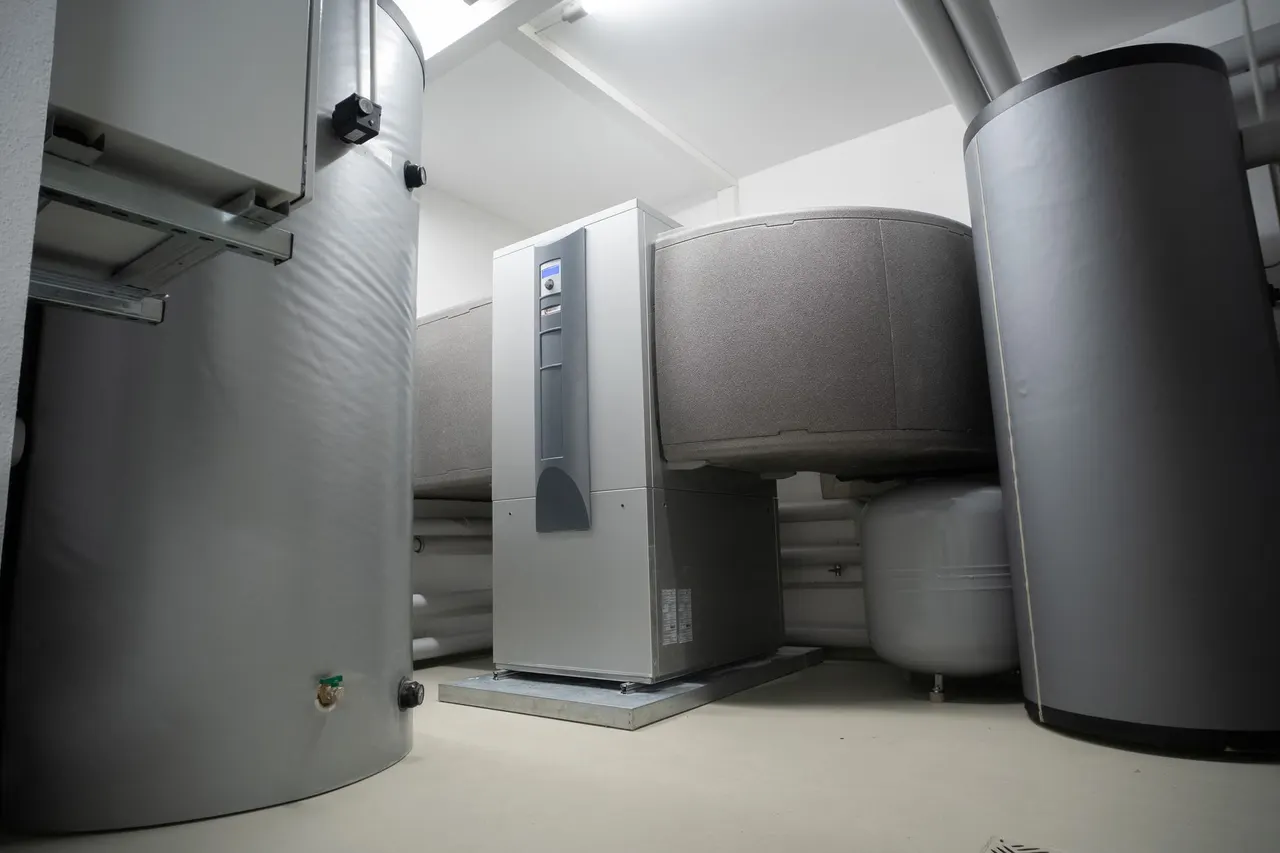
Testing heating elements and thermostats, and measuring rod depletion on powered anode systems.
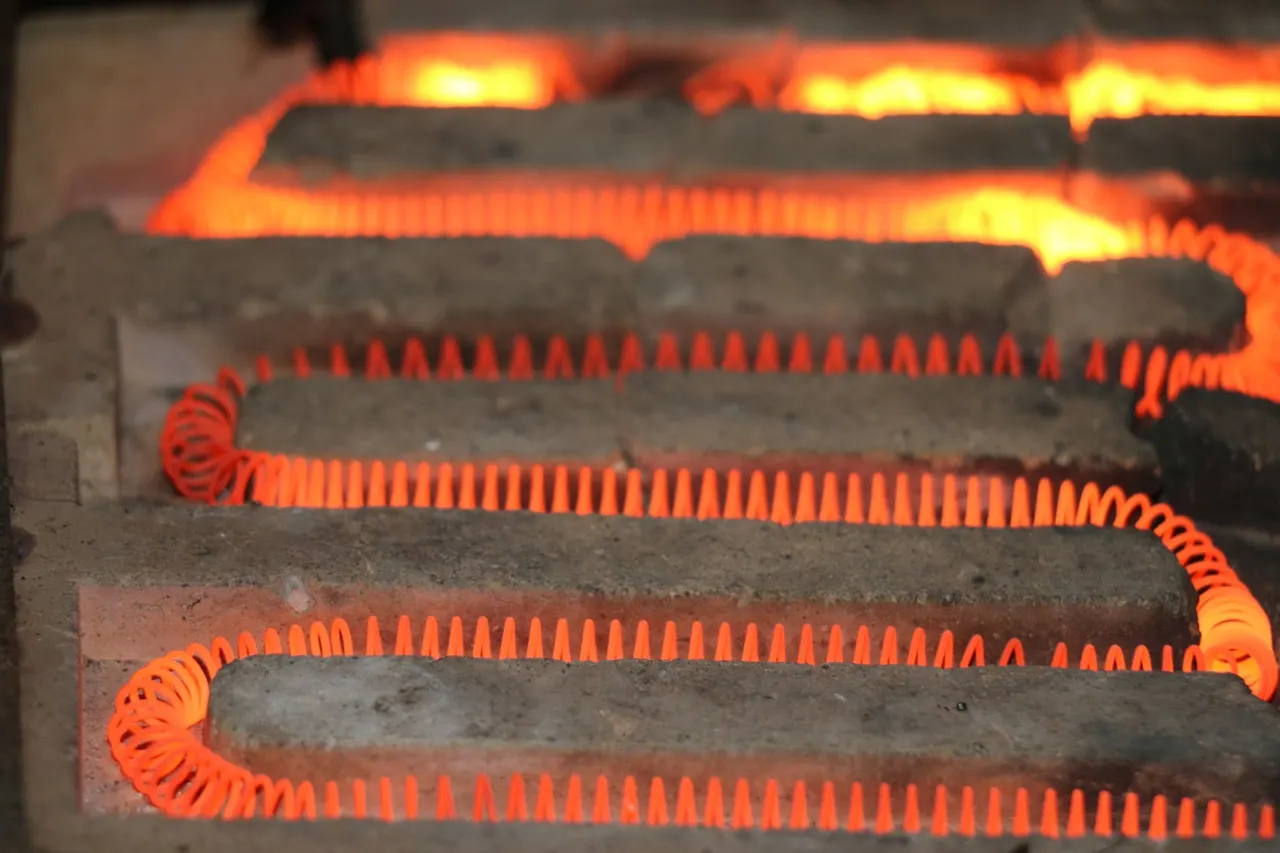
Confirming the relief valve opens and reseats at the correct pressure. A failed TPR valve is a safety problem.
Removing and reinstalling screw-in heating elements on electric tanks when the element needs replacement.
Circulating descaling solution through tankless units and indirect tanks tied to a boiler.
We follow UPC and IPC requirements for anode installation, TPR valve sizing, and drain pan drainage on every job in Meridian and Lauderdale County.

Anode rods are torqued to the tank manufacturer's spec, not just hand-tight. Over-torquing can crack the port; under-torquing causes leaks.
We pull the original magnesium rod, which is usually down to a thin wire by then, sanitize the tank, and install an aluminum rod. The whole visit takes about 90 minutes. The smell is gone by the next morning and the tank gets three to five more years of corrosion protection.
We set up a rotating anode service schedule, checking one property at a time and replacing rods on condition. We coordinate with tenants on access. No surprise tank leaks between tenants, and each property stays on a documented maintenance cycle.
We inspect the anode, flush the tank, and replace the rod and TPR valve. We provide a written summary the seller can hand to the buyer. The inspection objection is cleared without a full tank replacement, saving the seller over a thousand dollars.
We shut down the tank during off-hours, pull the rod, flush the heavy sediment load, and install a fresh rod sized for commercial demand. The kitchen is back to full hot water capacity the same day and the tank avoids an early failure.
Meridian sits on hard water, and that changes the anode rod math. The calcium and magnesium in Lauderdale County supply coat the tank bottom and accelerate rod consumption, so we see spent rods at three years that would last six in softer-water cities. Most homes here run 40- to 50-gallon gas or electric tanks, often in a closet, attic, or garage where access is tight. Summer heat in a Mississippi garage pushes tank temperatures higher and speeds corrosion, while winter cold snaps can stress older fittings. We schedule anode service year-round, but fall is the smart time to check before heating demand climbs. If you are searching for same day anode rod replacement Meridian Mississippi, call before the tank starts weeping. We carry rods for Rheem, A.O. Smith, Bradford White, and State Water Heaters on the truck, so most jobs finish in one visit.
A family in Northeast Meridian had hot water that smelled like rotten eggs for two months. The tank was six years old and still on the factory magnesium rod, which was down to a thin core.
We pulled the spent rod, sanitized the tank, flushed two inches of sediment, and installed an aluminum rod. The smell was gone by the next morning and hot water ran clear.
We recommend checking the new rod in three years, since Meridian water is hard. An annual flush keeps sediment from shortening its life.
A landlord near Downtown Meridian had a seven-year-old 50-gallon tank showing rusty hot water. The tenant was ready to move out over it, and a replacement quote was over $1,400.
The tank shell was still sound, so we replaced the anode rod, flushed the tank, and swapped the TPR valve. Rust cleared within a day and the tenant stayed.
The property is now on a three-year anode service cycle. We check the rod and flush the tank on each visit to stay ahead of corrosion.
A restaurant in Old Town Meridian ran a 100-gallon gas tank that had never had anode service. Recovery time had stretched and the hot water was discolored during lunch rush.
We serviced the tank during off-hours, pulled a fully consumed rod, flushed heavy sediment, and installed a commercial-grade replacement. Recovery time returned to normal.
We schedule commercial anode checks every two years and flush annually. The kitchen now has a documented service log for health inspections.
Most tank failures we see in Meridian trace back to a spent anode rod that nobody checked. Here are the problems a rod service fixes before they turn into a new tank.
We pull the magnesium rod, sanitize the tank, and install an aluminum or powered anode that does not feed the bacteria. The smell usually clears within one heating cycle. The odor comes from bacteria reacting with a depleted magnesium rod. It makes showers unpleasant and can taint laundry and dishes.
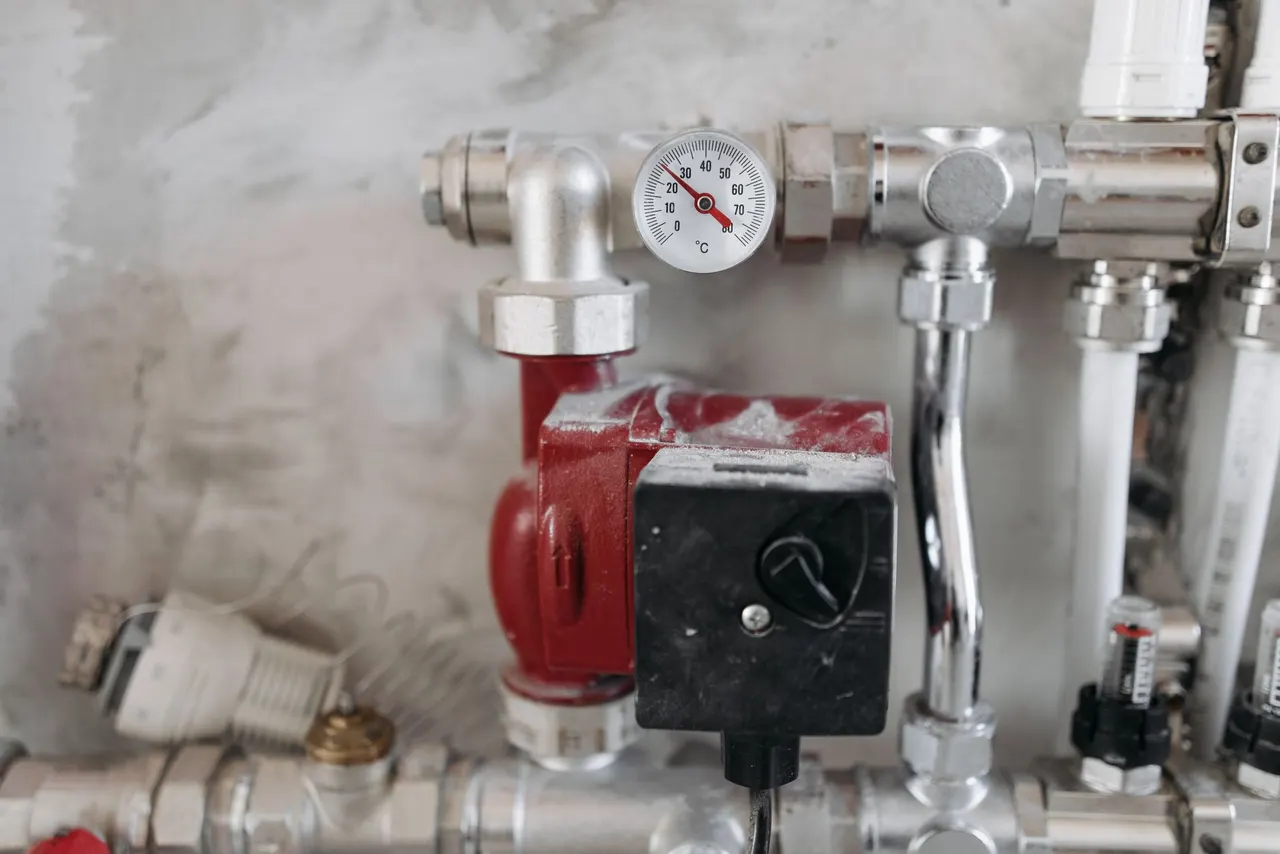
A new rod plus a full sediment flush removes the rust source. If the tank shell is already weeping, we tell you straight and quote a replacement. Once the rod is gone, the tank lining corrodes and sends iron particles into your hot water. You see stains in the sink, tub, and laundry.
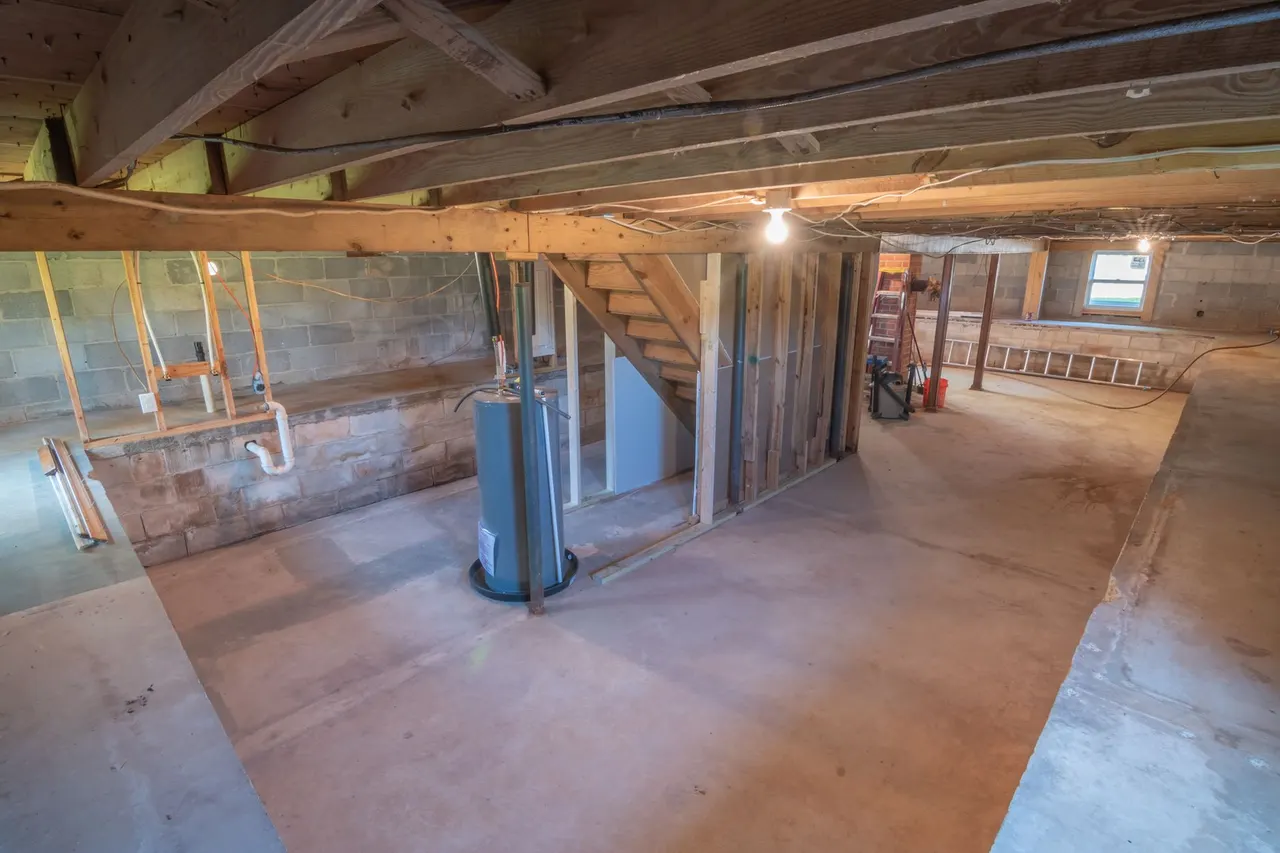
We flush the tank until the water runs clear, then install the new rod. Most customers notice quieter operation the same day. Sediment on the tank bottom traps water under it and boils, which makes noise and shortens tank life. It also eats anode rods faster.
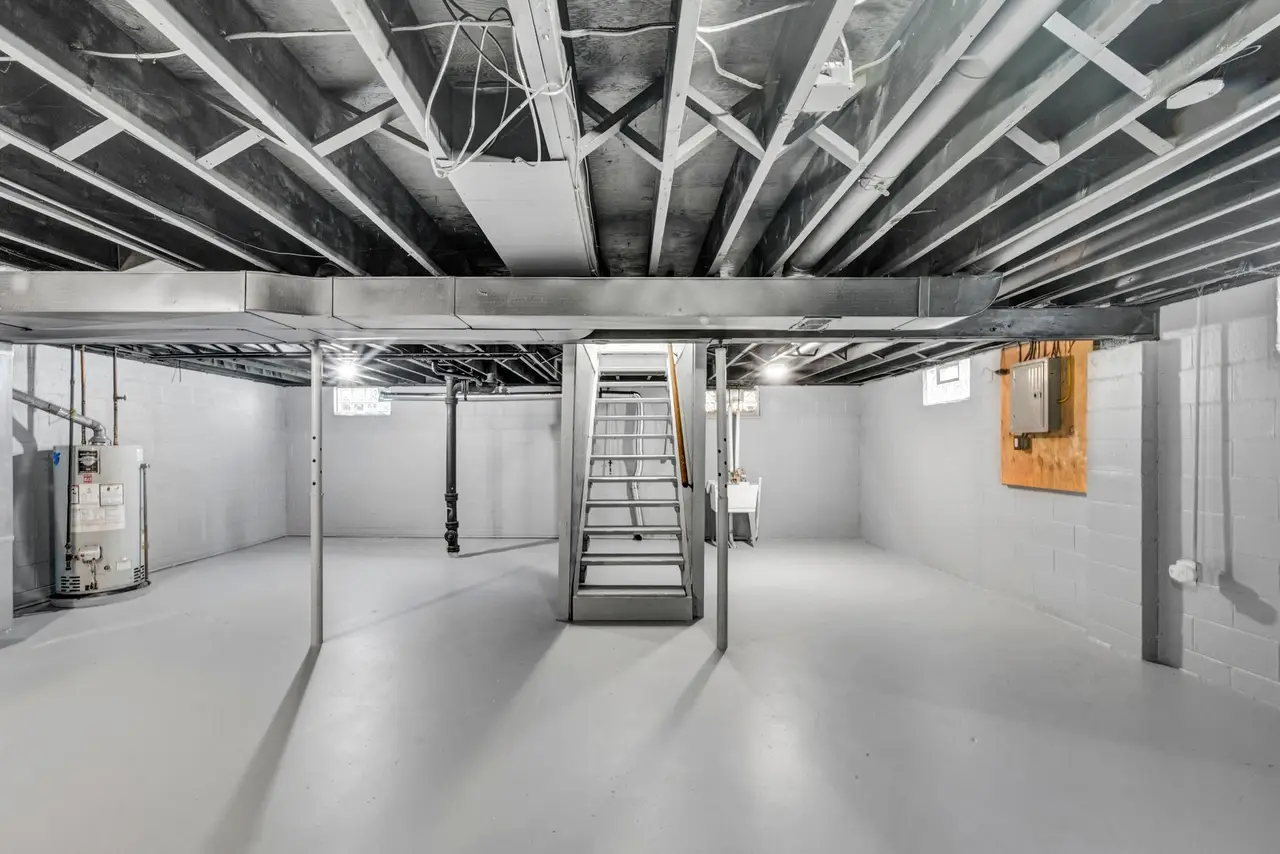
If we catch it early with an anode service, we can often add years to the tank. If the shell is gone, we handle the replacement and disposal. A pinhole leak means corrosion has already breached the shell. At that point the tank cannot be repaired, only replaced.
A fresh anode rod can add three to five years to a steel tank. That is real money when a new 50-gallon heater runs $900 to $1,800 installed in 2026. We check rod thickness with a multimeter and inspection camera, so you replace it on condition, not guesswork.
That sulfur odor in hot water only is a classic sign the anode is reacting with bacteria in the tank. Swapping to an aluminum or powered anode usually clears it within one heating cycle. If the smell comes from cold water too, the issue is the supply, not the rod.
Once the anode is gone, corrosion moves to the tank lining, the dip tube, and the heating element. A $200 to $400 rod replacement now beats a $1,500 tank replacement later. We also test the TPR valve and thermostat while the tank is open.
A spent rod lets iron and rust particles into your hot water, which shows up as brown stains in the laundry or a metallic taste at the tap. Replacing the rod and flushing sediment restores clear water. Most Meridian homes see the difference the same day.
Typical 2026 pricing for anode rod replacement in Meridian runs $180 to $400 for a standard residential tank, including the new rod, labor, and sediment flush. Powered anodes and commercial tanks cost more. Access matters too: a tank in an open garage is a faster job than one wedged in an attic closet. We quote a flat price before we start, so the number you hear is the number you pay. If we find a failing TPR valve or element during the visit, we quote that separately and let you decide.
What your estimate is based on
$180 - $400 for standard residential; $400 - $850 for commercial or powered anode systems A rod service costs a fraction of a new tank. Spending $200 to $400 now can add three to five years to a heater that would otherwise fail and cost $900 to $1,800 to replace.
Clear records you can keep and share.
Matched to tank and water chemistry
Tank bottom drained until clear
What we found and when to check again
An anode rod is a sacrificial metal rod that corrodes instead of your tank. Once it is spent, the steel shell starts to rust and a leak usually follows.
Hard water in Meridian shortens rod life, so most tanks need a new one every three to five years. Soft-water cities often get six or seven years from the same rod.
A sulfur smell in hot water only usually means the magnesium rod is reacting with bacteria. Switching to aluminum or a powered anode clears it in most cases.
Sediment on the tank bottom traps heat and speeds corrosion. Flushing the tank during anode service helps the new rod last longer and improves recovery time.
Not listed? Call and we will tell you straight away. +16015310808
Every three to five years for most Meridian homes, because Lauderdale County water is hard and eats magnesium rods faster than soft water does. If your tank is over five years old and the rod has never been changed, assume it is spent. We can pull it and measure remaining thickness in about an hour.
Typical 2026 pricing runs $180 to $400 for a residential tank, including the new rod, labor, and a sediment flush. Powered or aluminum rods cost more than standard magnesium. Commercial tanks and hard-to-reach installs can push higher. You get the exact number before we start.
The tank lining starts to corrode once the rod is gone, and a pinhole leak usually follows within a year or two. At that point the tank cannot be repaired, only replaced, which runs $900 to $1,800 installed. A $200 rod service now is cheaper than a new heater later.
You can, but seized rods are the problem. A rod that has been in a Meridian tank for six years often needs a breaker bar, and forcing it can crack the tank port. If that happens, the tank is scrap. We carry the right tools and a spare rod on the truck, so one visit finishes the job.
If your hot water smells, your tank is past five years old, or you just want a straight answer on rod condition, call us. We quote the price before we start and most jobs are done the same day.
Reach us at +16015310808 and you will talk to someone who knows water heaters, not a script. We book same-day windows for most of Meridian and keep the line open for emergency leaks. If you are outside the usual ZIP codes, call anyway and we will tell you straight whether we can get to you.